


Growing up in the 90s, I definitely wasn’t a “bookworm”.
It was Nintendo 64 and action movies for me. Lots of Star Wars and Goldeneye. I picked up a book only when I really needed to for school.
Then I started working at William O’Neil’s firm, and I learned quickly: Trading is a profession, and like any serious profession, it takes real study before it makes sense. Figuring it out from scratch costs you actual money, tuition you pay to the market in losses.
The shortcut is in finding mentors. The legends are immortalized in books, and when I got to the firm, the old traders handed me a list.
These are the ten that stuck. There are plenty more worth reading, but these are the ones I’d stand behind every time.
10. Stan Weinstein’s Secrets for Profiting in Bull and Bear Markets
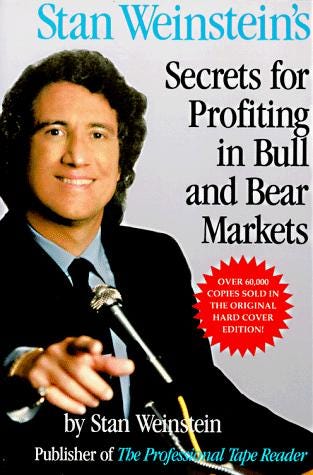
This one is not the most beginner-friendly, but stick a pin in it for a few months into your journey.
Weinstein’s biggest contribution is mapping out the life cycle of a stock. He breaks every stock into four stages: the base, the advance, the top, and the decline. Once you see it, you can’t unsee it. You stop buying stocks that are rolling over and recognize when a stock is basing normally.
I don’t use all of his strategy, but the four-stage analysis is worth the price of the book on its own. Knowing where a stock sits in its cycle, and where the whole market sits in its cycle, is critical to trading successfully.
Takeaway: before you buy anything, ask which stage it’s in. You don’t buy a stock in decline just because it looks cheap.
9. One Up on Wall Street, Peter Lynch
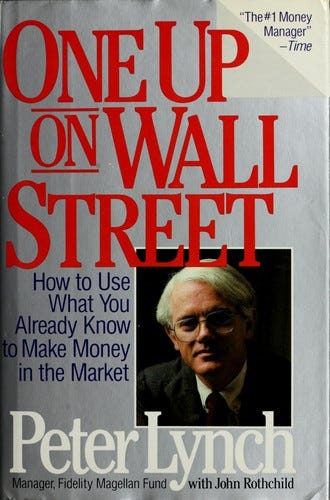
This is the book that made a lot of things click for me, and it’s the one I’d put in a total beginner’s hands first.
Lynch drills one thing into you: earnings, earnings, earnings. It’s burned into my brain. From a growth angle, big earnings and sales growth are the fuel that makes a stock go. Everything else is arbitrary.
His other big idea is investing in what you know. You have an edge in your own industry that no Wall Street analyst has. The nurse sees which drug is working before the fund manager does. The engineer sees which product is pulling away. Lynch tells you to use your own expertise to your advantage.
Takeaway: you already have an edge somewhere. Start where you already understand the business.
8. Trade Like a Stock Market Wizard, Mark Minervini
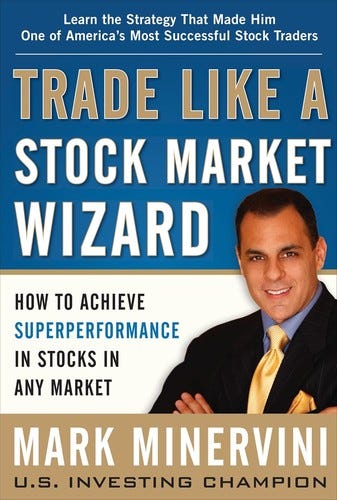
Minervini is cut from the same cloth as O’Neil and Livermore, and you can feel it on every page. But he brings his own game too.
In my trading, his big contribution is the VCP, the volatility contraction pattern, which is a base that tightens up like a coiled spring right before it moves. It’s a setup every momentum trader should know. He’s also big on selling into strength and taking profits while the stock is still going up, which is harder than it sounds.
He’s also featured in the Market Wizards series and has a strong social media presence. When someone this good writes down his process, you have to read it.
Takeaway: learn the VCP. A base that gets tighter and quieter before it breaks is one of the most reliable tells there is.
7. Trading in the Zone, Mark Douglas
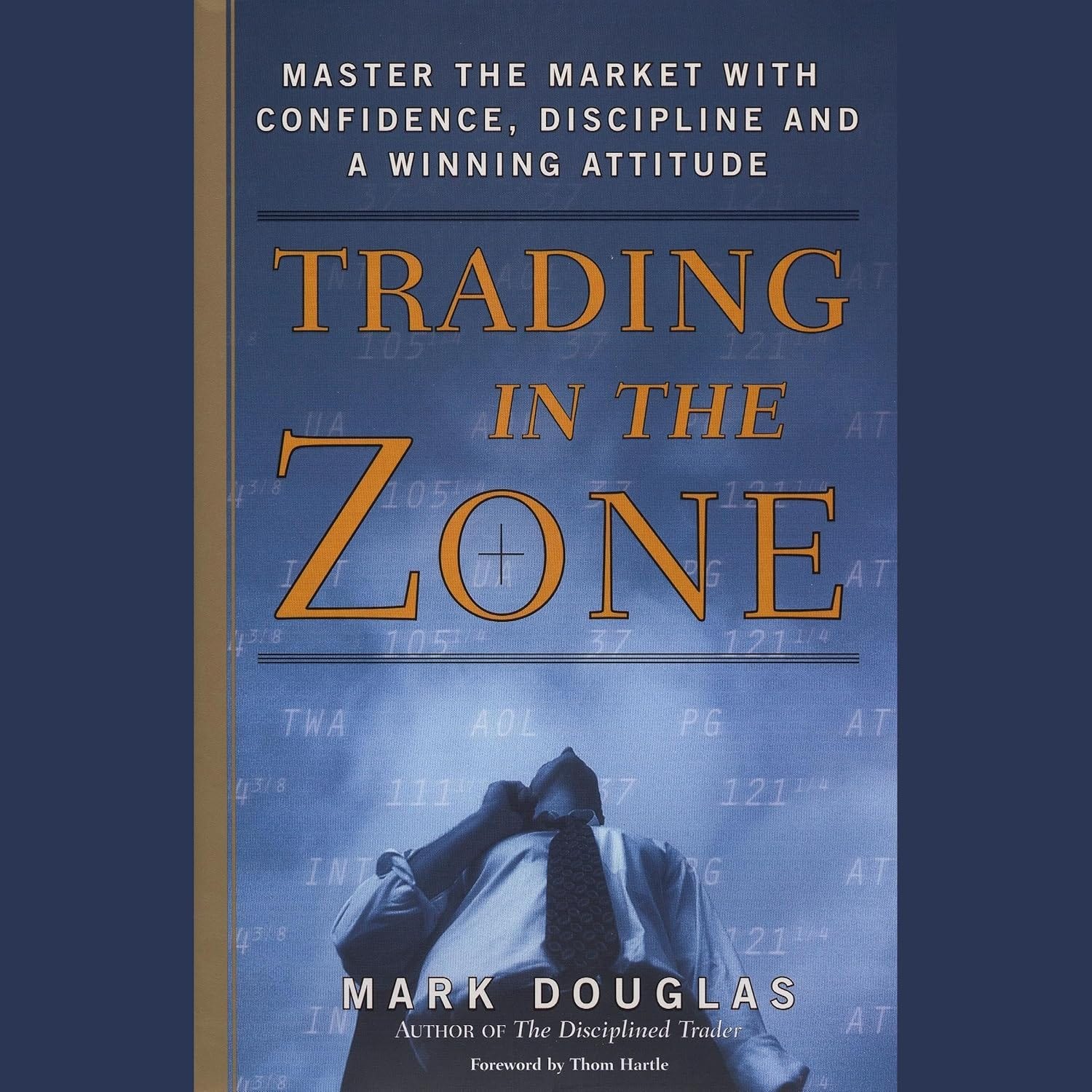
You will spend hours building your system. Back testing it, screening at night, doing your homework while the market is closed. Then the opening bell rings and you throw it all out the window.
It’s like the Mike Tyson quote: ”Everyone has a plan until they get punched in the mouth.”
That gap between the plan and the execution is what this book aims at. Douglas is writing about trading psychology, and his point is that a good system is useless if you can’t trust it in real time.
The goal he describes is a flow state. Like a basketball player who stops thinking and just reacts inside a set of moves he’s drilled a thousand times. You’re not agonizing over every decision. You’re calm, you’re reacting, and you’re operating inside parameters you already set for yourself when your head was clear.
Takeaway: the system is one piece. Learning to trust it when your money is on the line is the other half.
6. What I Learned Losing a Million Dollars, Jim Paul
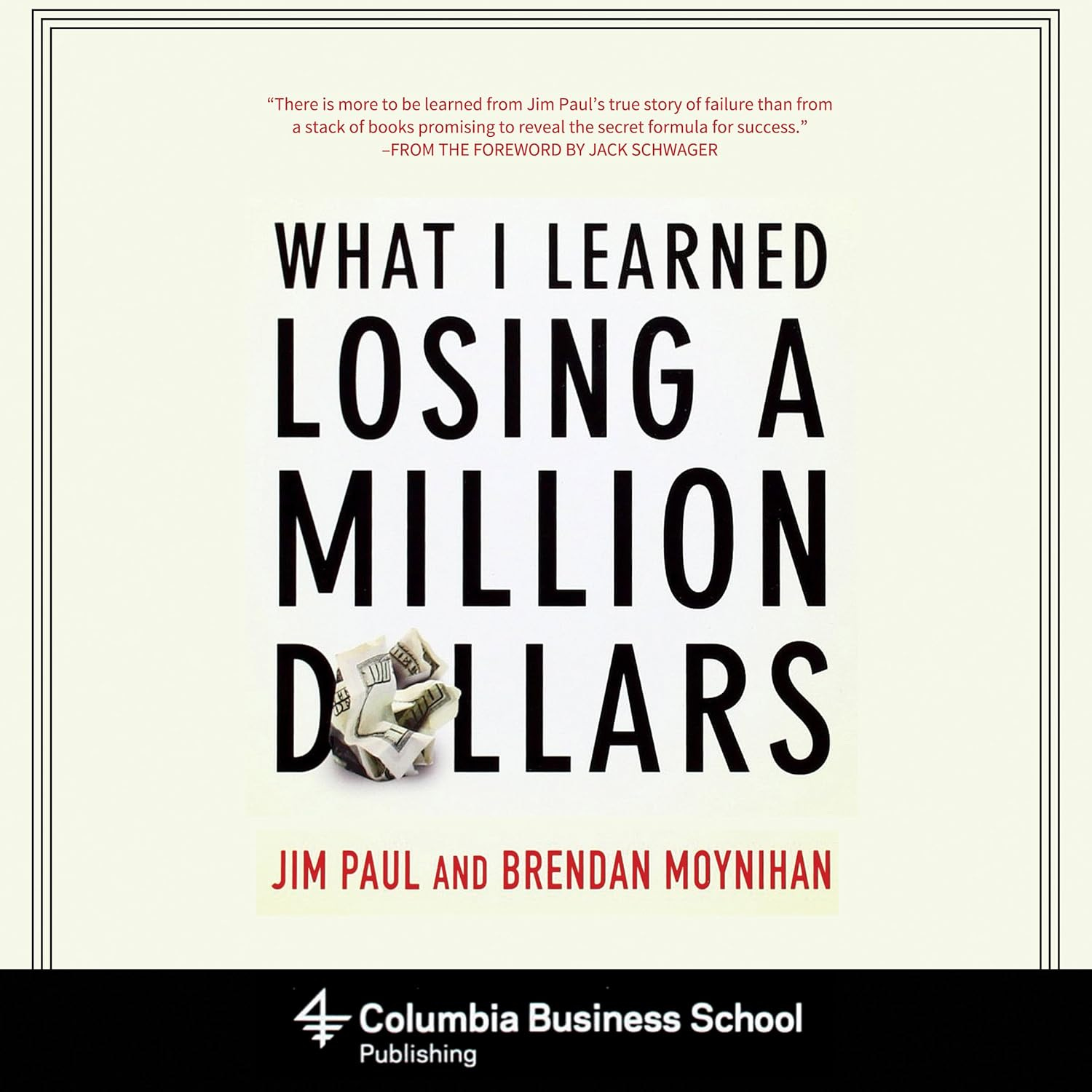
Plenty of books teach you risk management. This is the one that makes you feel it.
Jim Paul was a guy who won at everything. Rose fast, made a fortune, and was never once conditioned to take a loss or to know when he was wrong. When it finally caught up with him, it destroyed him financially, mentally, and emotionally. The book is the story of that unraveling, and it teaches by showing you exactly what not to do.
What stuck with me: there are countless ways to make money. You can build something, sell a service, trade, grind a lucrative career and save, or inherit it. But there’s only one way to lose money, and it’s failing to take the loss. Refusing to admit when you’re wrong.
Takeaway: you don’t have to be right. You have to be willing to be wrong quickly. Taking losses before they get out of hand is high priority for successful investing.
5. How I Made $2,000,000 in the Stock Market, Nicolas Darvas
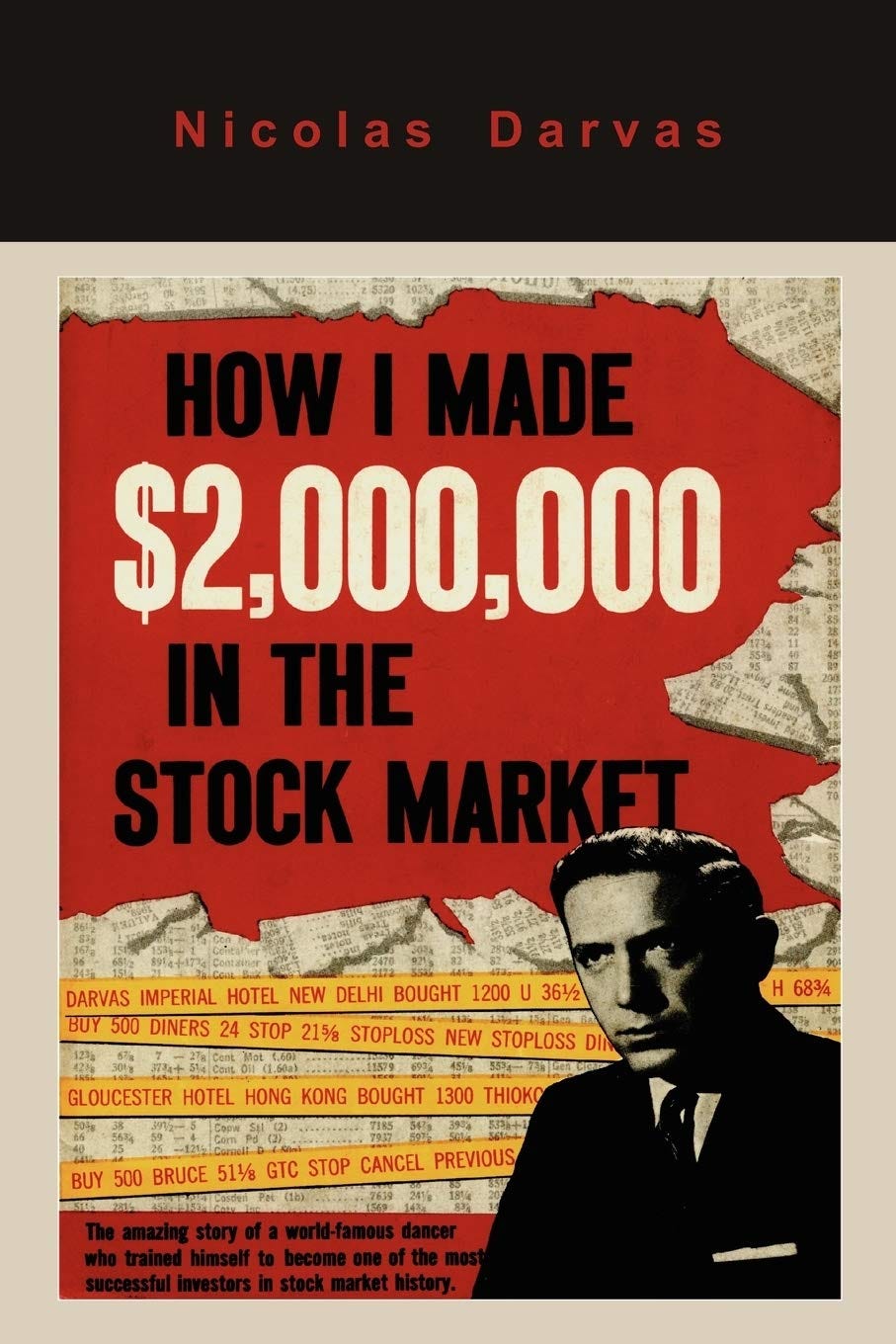
Everyone pictures a trader as someone glued to six screens all day. Darvas was about as far away from that as possible.
He was a professional dancer, touring the world, getting stock prices from the newspaper days after the fact. He couldn’t watch the market even if he wanted to. So he built a system around his circumstances. He noticed stocks traded inside “boxes,” ranges of support and resistance, and he only acted when a stock broke out of its box to a new high.
Without real-time data, without a finance background, he ran into the same truths Livermore and O’Neil found. Strong stocks trend, and the levels matter. It reads like a story, which makes it a perfect first book.
Takeaway: you don’t need to watch the market all day. You need a system that fits the life you actually have. (This is the one I’d hand a brand-new beginner.)
4. How to Trade in Stocks, Jesse Livermore
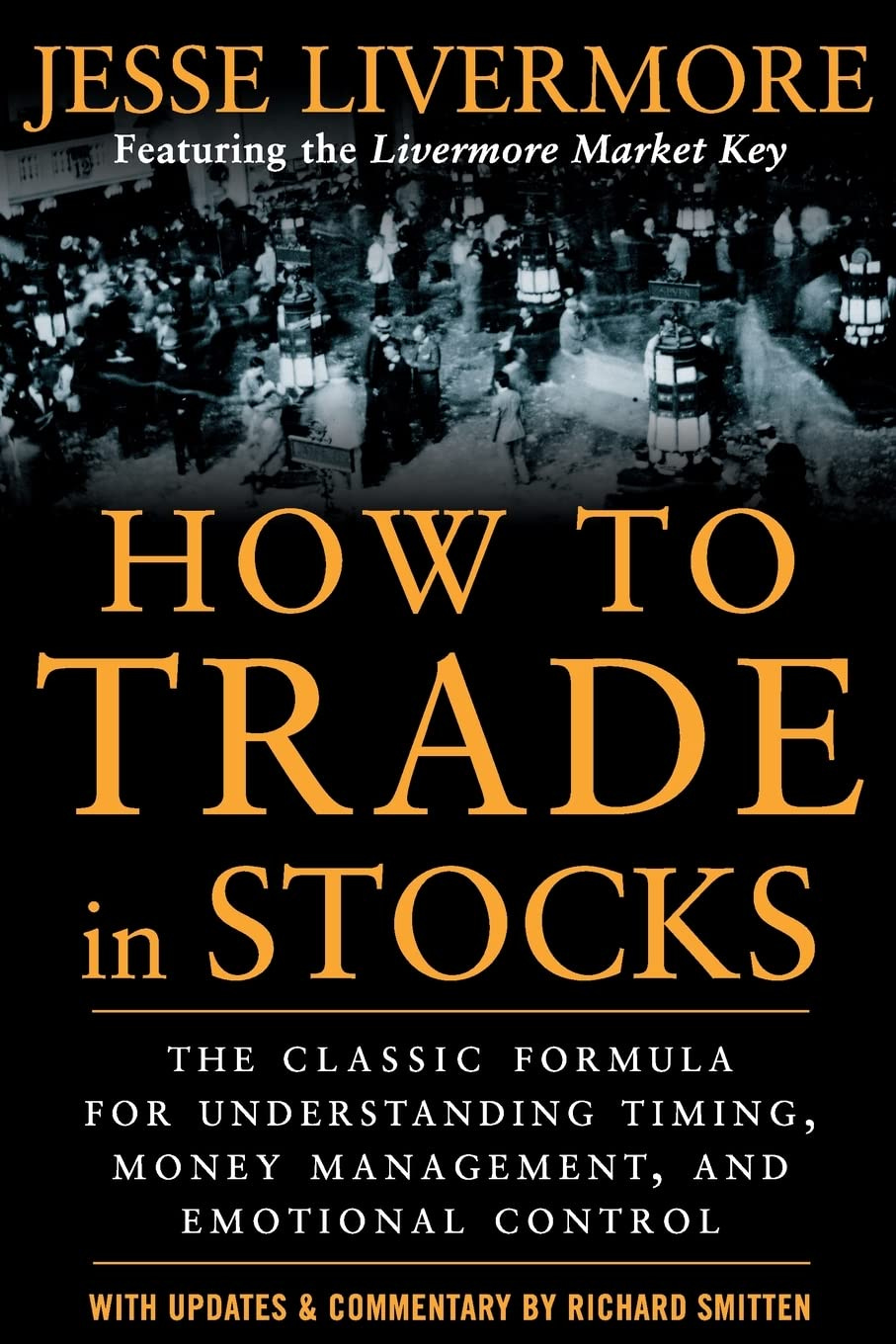
You can read this one in an afternoon. It’s short, it’s plain, and it’s the closest thing we have to Livermore explaining his ways.
This is the only book Livermore authored under his own name, and it’s essentially his method stripped to the bone. Trading in sync with the market. Support and resistance. Buying strength as it breaks out. Mechanics from the man who traded the markets 100 years ago.
Almost everything we do in momentum trading and growth investing traces back to ideas in this little book.
Takeaway: if you trade breakouts at all, this is a must. The genesis of the style, in your back pocket.
3. Market Wizards (the series), Jack Schwager
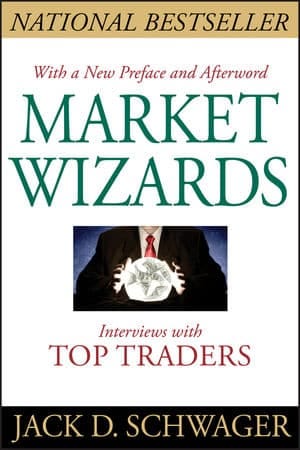
This was podcasts before podcasts. Schwager sits down with the best traders alive and just asks them how they do it.
I swap this in and out of the number one spot constantly. It’s that good. The original has William O’Neil and his protégé David Ryan, alongside Marty Schwartz, Richard Dennis, Paul Tudor Jones, and Ed Seykota. Legends, in their own words.
Here’s the big benefit of the structure: you don’t get one answer. You get twenty, and your brain starts hunting for the common threads. What do all these wildly different traders actually agree on? You’ll read it as one kind of trader and find one thread. You’ll read it again five years later as a different trader and find a completely new one. It’s a book you keep growing into.
My favorite is actually the newest one, Market Wizards: The Next Generation by Schwager and George Coyle, because it’s my generation of traders: Kristjan Kullamägi, Lance Breitstein, and a lineup of young standouts putting up numbers that rival anyone in the series.
Takeaway: don’t read this once. Reread it as you evolve. It gives you a different lesson every time, which makes it about as close to a fountain of youth as this game has.
2. How to Make Money in Stocks, William O’Neil
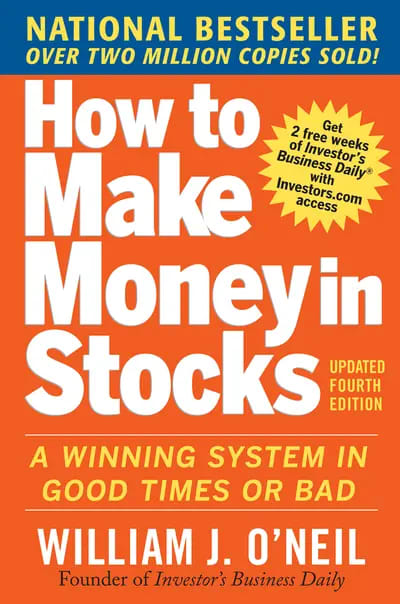
If you only read one book on this entire list, read this one.
It’s not my number one, but it’s the one I’d put in your hands if you could have just a single book. The orange cover. This book should be the foundation for your trading, as you build your own rules.
Open it and the first hundred-plus pages are just charts. A hundred of the greatest winning stocks in market history, marked up by O’Neil and his portfolio managers showing you exactly what a winner looks like before it runs. If the book were only those pages, it would still be worth it. It pays for itself before it says a word.
Then you get a deep dive into the CAN SLIM system. Seven characteristics the biggest winners shared before they made their moves. You learn it, and then you build your own system around it as you figure out how your own personality shows up in your trading.
I have a signed copy from William O’Neil himself. When I worked inside his organization, Bill made everyone read this book and pass a test on it before they could get a trading account. I’m so glad he did that. It changed my life, and I would not be doing any of this without this book and without Bill.
Takeaway: this is the one book to start with if you’re serious about growth stocks. Read the charts first, then learn CAN SLIM, then make it your own.
1. Reminiscences of a Stock Operator, Edwin Lefèvre
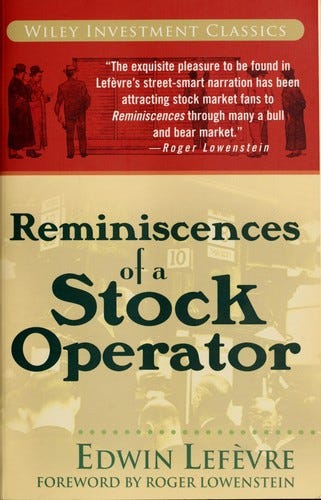
The best trading book ever written, and it barely feels like a trading book.
Most instruction books tell you how to do a thing. This one doesn’t. It’s written like a fable, a story you follow, and you pick up the lessons the way you’d pick them up in life, by watching a man live through them. It’s the Odyssey of Wall Street. You follow the hero through his wins and his ruin, and the wisdom lands on you throughout the journey.
That’s why it’s number one. Nobody learns from a list of rules the way they learn from a story they lived inside. Think about the Odyssey. You don’t remember a bullet point about caution. You remember the Trojan horse, and the lesson about gifts from your enemies rides along with it forever. Reminiscences does that for the market. It never spells it out. You just watch, and somehow you come out knowing.
It reads like your favorite movie, which means you can return to it again and again and get something new each time. I have never understood how there isn’t an actual film made of it. It’s one of the greatest stories ever told about one person against the market.
Takeaway: read this one for the story. The lessons will find you, and they’ll stay because you felt them instead of memorizing them.
That’s my reading list! Ten books, and every one of them earned its spot by changing how I see the market.
You don’t need a finance degree. You just need the willingness to be wrong quickly while you learn. These books can help you work through the problems you come across, but the real education you will find comes from experience.
Which of these have you read, and which one changed things for you? Tell me in the comments. And if you’re starting from zero, reply and I’ll point you to the right one first.
Fantastic picks - thank you!